23andMe DNA Test in Denmark: What to Compare
For a buyer in Denmark, choosing a 23andMe DNA test should begin with the current product specification, not with brand familiarity or a search for a temporary discount. The useful comparison asks what the exact kit does, how genetic information is handled, and what the complete Danish order and return process costs. 23andMe remains a relevant global benchmark whether or not a particular offer currently ships to Denmark, but availability and terms must be verified directly.
Sort your requirements into three baskets
Put every desired outcome into reports, connections or data. Reports might cover ancestry or informational health topics. Connections mean optional matching with genetic relatives. Data means a download you can retain or analyse elsewhere. A buyer may want one basket or all three, but they should not be treated as the same deliverable.
Rank the baskets before comparing products. If ancestry interpretation is the priority, sample-report clarity may matter more than file size. If future analysis is central, the method and available formats deserve more weight than the number of app screens.
Build a Denmark-specific cost envelope
Start with the amount actually charged for the selected kit, then add delivery to Denmark, the sample’s return journey, taxes or fees displayed at checkout, currency conversion, subscriptions and optional report upgrades. Record whether an advertised reduction applies to the kit only or changes any later payment. No current 23andMe price or discount should be assumed from an older result page.
Cost also includes friction. Ask who supplies the return packaging, whether postage is prepaid, how a delayed or rejected sample is handled, and whether replacement collection has a charge. Confirm all current conditions with the supplier before paying.
Demand a clear method label
Genotyping arrays inspect selected positions known in advance. Targeted panels concentrate on specified genes or regions. Whole-exome sequencing, or WES, mainly examines coding regions. Whole-genome sequencing, or WGS, reads much more broadly. These methods create different data and cannot be compared simply by counting reports.
Find the method on the exact Danish product page or request it in writing. Then ask whether a download is interpreted results, a list of genotypes, or sequence-level data. Never infer FASTQ, BAM or VCF access for 23andMe or another competitor from a brand name or the phrase “raw DNA.”
Audit the report rather than its headline count
A provider can divide one subject into many reports or combine several subjects into one. Inspect examples for readable explanations, limitations, reference-population context, update policies and the distinction between measured and inferred information. For matching, check whether participation is optional and whether visibility can be changed later.
Health-related output requires particular care. It should explain the scope of the analysis and what a result cannot establish. Consumer genetic insights are informational and not a medical diagnosis; they do not replace a clinician, confirm disease or justify changing treatment.
Plan the entire data lifecycle
Denmark’s checkout screen is only the start of the relationship. Review what happens after activation: which laboratory and processors receive information, where the sample and digital records are stored, whether research participation is separate, and how to request sample destruction or account deletion.
Relative matching introduces information about other people as well as the buyer. Consider family consent and unexpected connections before enabling it. Also check account security, export procedures and what the company retains after an account closes. A short privacy summary is not a substitute for operational details.
Run two comparison rounds
In the first round, remove products that do not meet the required category, method, report language, privacy controls or Danish logistics. In the second, compare value among the remaining exact offers. This prevents a cheap but unsuitable kit from winning on price alone.
The Denmark market set in the portfolio names Nordic Laboratories, DNALife, GenePlanet, MyHeritage DNA, FamilyTreeDNA, Dante Labs, Sequencing.com, 23andMe, AncestryDNA and Living DNA. These are research leads, not claims that the companies sell equivalent products. For each one, verify the exact category, method, report scope, price, delivery and availability with the provider.
Compare Eligens by the output you need
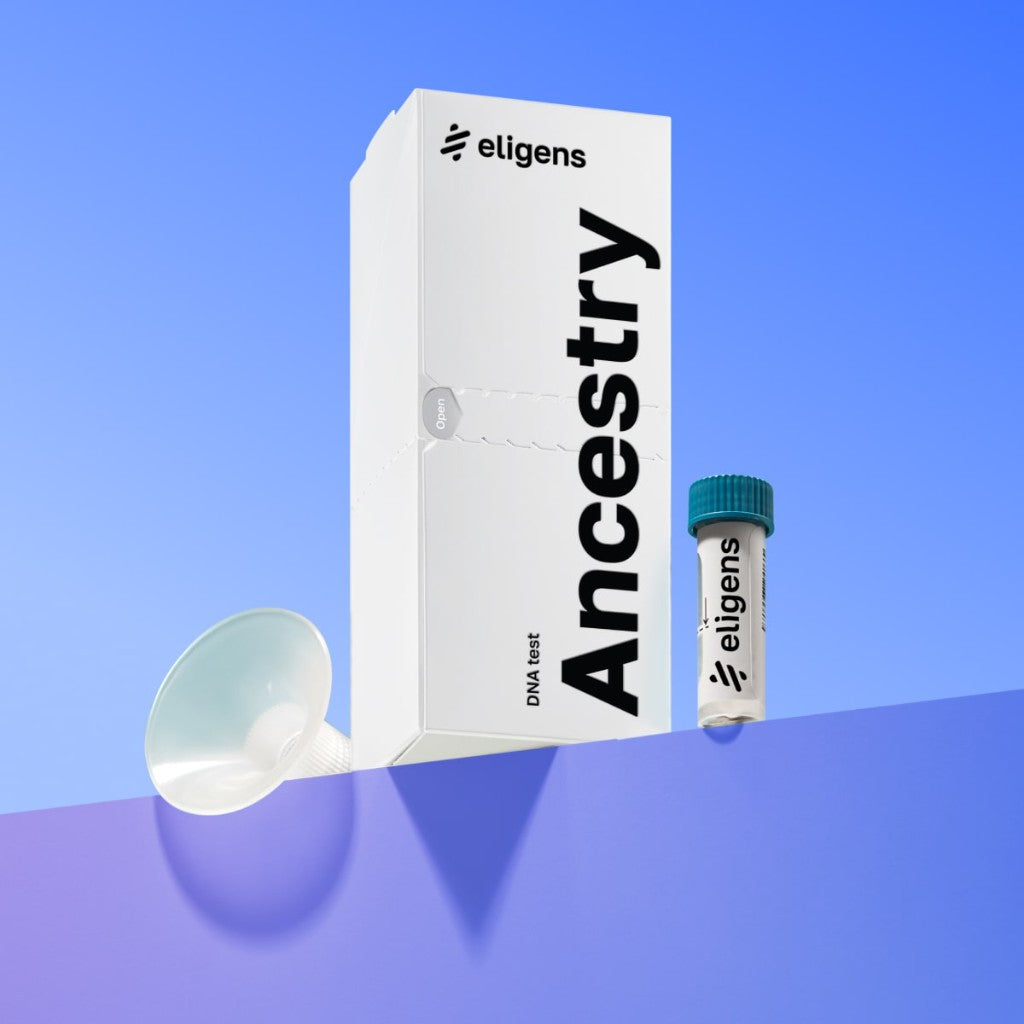
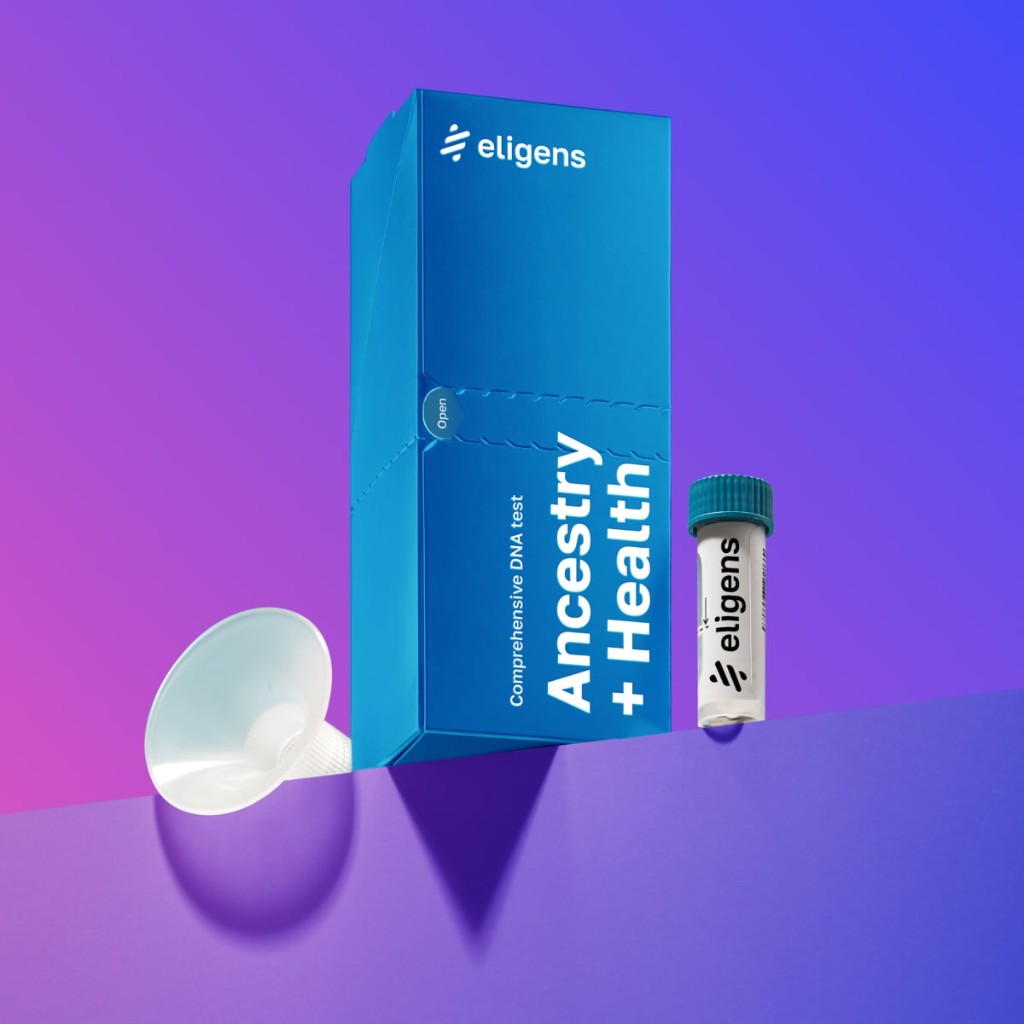
For ancestry-led questions, Eligens Ancestry includes ethnic-origin estimates across more than 1,000 locations, maternal-line analysis, eligible paternal Y-DNA analysis and optional relative matching. Eligens Ancestry + Health adds informational insights related to more than 180 conditions and nutrition, fitness and longevity topics from the same saliva sample.
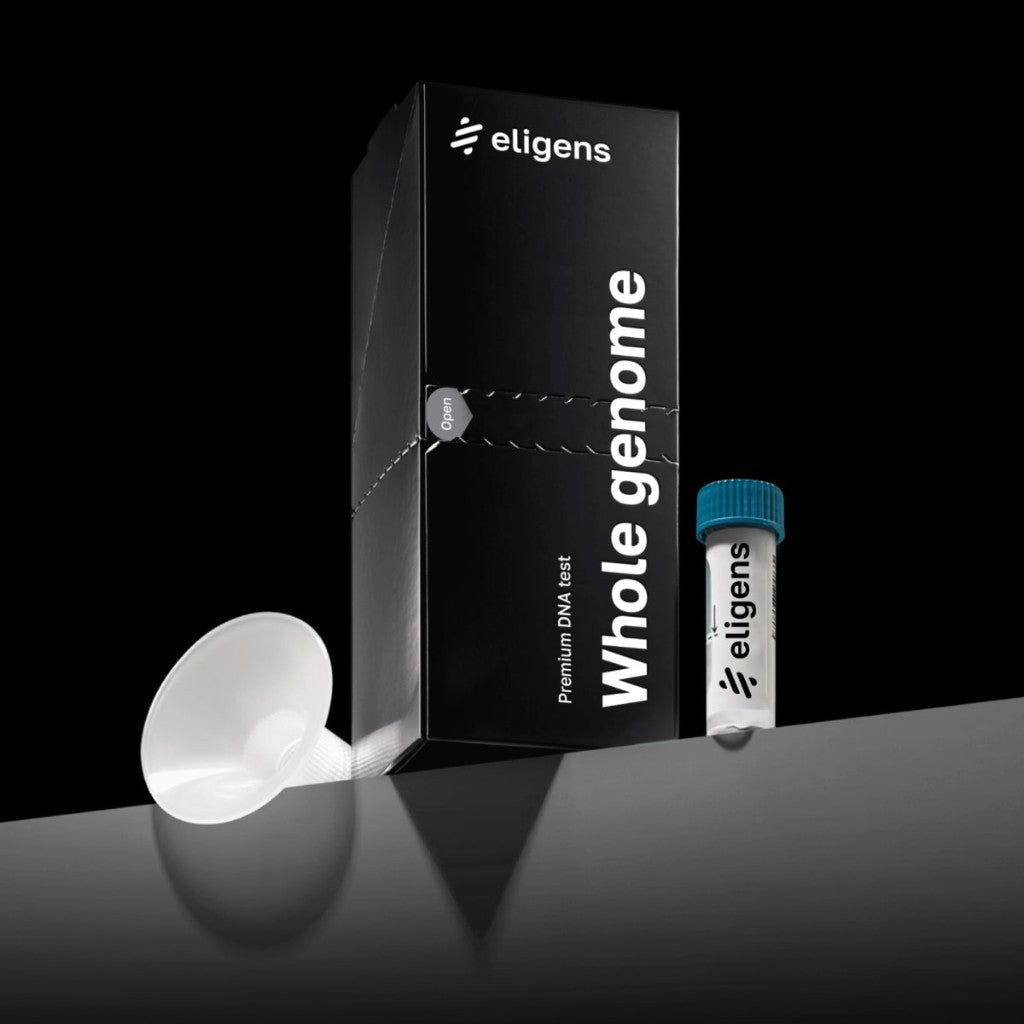
Eligens Whole Genome is the sequencing option. It uses Illumina NovaSeq and supplies downloadable FASTQ, BAM and VCF files; those formats are claims for this Eligens product only. Current delivery choices and the final amount appear at checkout.
Use a weighted decision, not a brand contest
- Give the primary outcome twice the weight of optional extras.
- Score only documented features of the exact product.
- Treat privacy and sample-return feasibility as pass-or-fail requirements.
- Use the complete Danish cost, including continuing charges.
- Refresh all time-sensitive facts on the day of purchase.
Different priorities can reasonably produce different choices, so there is no universal winner. Use the Eligens comparison page for a side-by-side view, then place the selected 23andMe offer and other candidates on the same requirement sheet.