23andMe DNA Test in Mexico: What to Compare
Before ordering a 23andMe DNA test from Mexico, identify the exact product behind the search result. A brand name does not prove what the current kit measures, which reports it contains, whether it reaches Mexico or what the final payment will be. The useful task is to turn a familiar name into a verified product record and compare that record with your own purpose.
Create a product identity card
Begin with facts from the live offer rather than memories of an advertisement or a review. Record the complete product name, the date, the country selected on the site and the language of the terms. Save the page that lists included reports, but check that it refers to the same item shown in the cart.
- What result are you buying: ancestry, informational health content, traits, matching or sequencing data?
- Which laboratory method is named for this product?
- Which reports are included without another purchase?
- What account or data access continues after the initial result?
- What does checkout show for a Mexican destination?
If any answer is missing, ask 23andMe directly. The gap should remain marked “unconfirmed” until the supplier answers it.
Translate the test method into practical scope
Genotyping samples selected positions in the genome. A targeted panel examines predefined genes or regions. Whole-exome sequencing, called WES, focuses mainly on protein-coding regions, whereas whole-genome sequencing, or WGS, reads much more of the genome. These categories should not be blended into a generic idea of “more complete DNA.”
Confirm which category describes the current 23andMe product rather than inferring it from the company name. Then ask whether the method is appropriate for the report you care about. The number of positions, genes or pages is not a universal quality score; usefulness depends on the question, interpretation and limitations.
Judge reports by decisions they can support
For ancestry, examine how geographic estimates, uncertainty and future updates are explained. For relative matching, inspect consent and visibility controls. For traits or wellness material, look for plain-language definitions and avoid treating an entertaining observation as a clinical result. Sample reports are more informative than a headline count because providers may divide similar material into different numbers of entries.
Write one expected use beside every report category. “Discuss family origins with relatives” is concrete; “know everything about my DNA” is not. This exercise often reveals that a narrower product can meet the goal, or that a broad bundle still lacks the one output the buyer wanted.
Keep consumer health information in its proper role
If the selected offer contains health-related reporting, read the stated scope and exclusions before purchase. A consumer health report is informational and not a medical diagnosis. It cannot confirm that a person has or will develop a condition, replace clinical testing, or justify changing medication, screening or treatment.
Unexpected or concerning information should be discussed with an appropriate healthcare professional, who can consider symptoms, family history and validated clinical evidence. This boundary applies to 23andMe, Eligens and every consumer option; a longer report does not remove it.
Follow the DNA and account through their full lifecycle
Privacy comparison begins before the saliva sample is sent and continues after the report is opened. Read the current rules for identity verification, sample retention or destruction, optional research, relative matching, third-party processors, cross-border data handling and account deletion. Check whether each choice is required for the core service or separately optional.
Also ask what happens to downloadable information after it leaves the provider's account. Your own device, cloud backup and shared family computer can become part of the privacy model. A practical plan includes protected storage and a decision about whether relatives should receive copies.
Test the route to and from Mexico
Use a real Mexican destination at checkout to see the current currency, taxes, delivery charge and final amount. Separately verify the sample-return procedure, accepted carrier and any customer-paid cost. Do not treat service in another country as evidence that the same process applies in Mexico.
Current availability must be confirmed with 23andMe. Even if a particular kit is not delivered to Mexico, 23andMe remains a relevant global comparison for evaluating scope and terms. It simply should not be presented as an immediately orderable choice unless the supplier's current checkout confirms that route.
Build a neutral Mexico comparison set
The measured market list includes Genómica Médica, PruebaDeADN.mx, Genetrack México, DDC México, AncestryDNA, tellmeGen, 24Genetics, FamilyTreeDNA and Dante Labs alongside 23andMe. These are research leads, not evidence that every name offers the same product category, method, price or availability.
Compare exact offers using identical columns: intended outcome, method, report sample, health limitations, matching choice, privacy controls, data access, return logistics and checkout total. This prevents a local or global name from receiving credit for an unverified feature.
Use Eligens as three distinct reference points
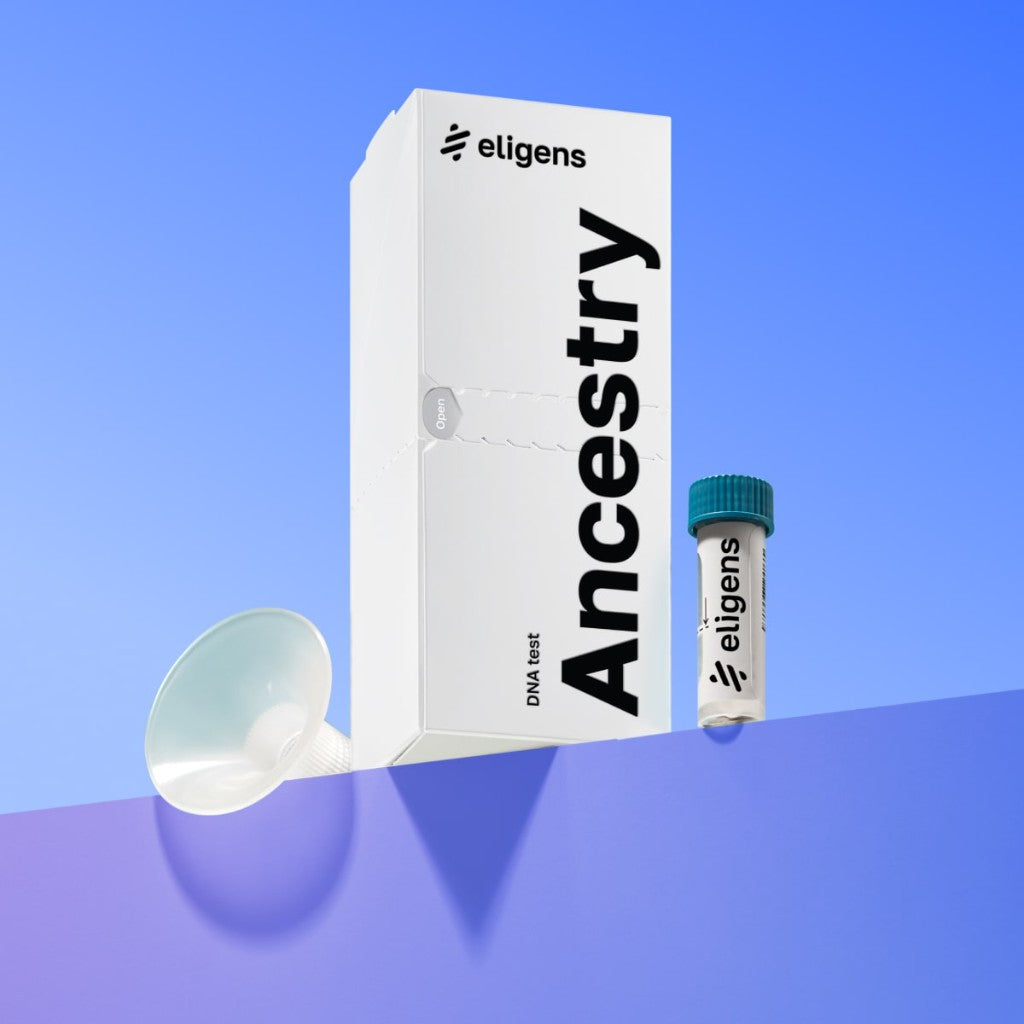
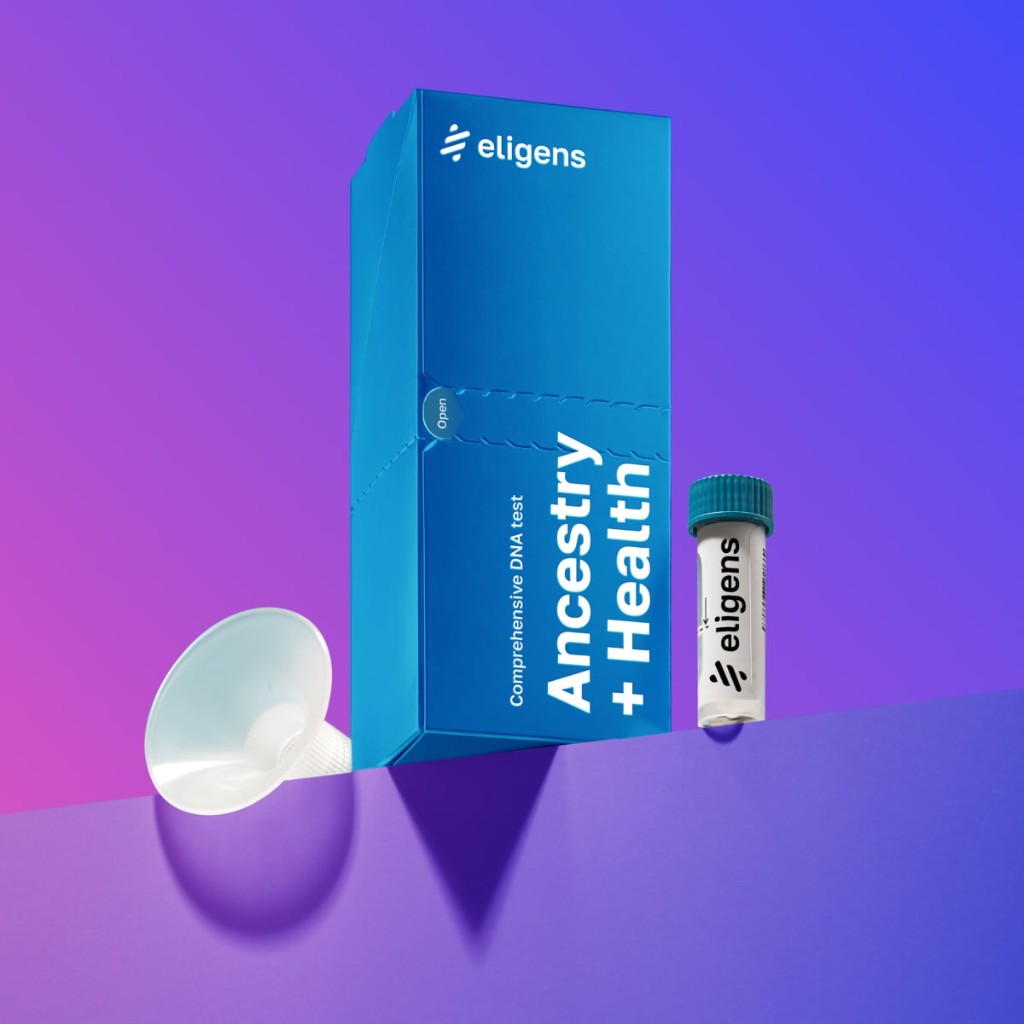
Eligens Ancestry is the ancestry-focused reference, with estimates across more than 1,000 locations, maternal-line analysis, eligible paternal Y-DNA analysis and optional relative matching. Eligens Ancestry + Health uses an Illumina Global Screening Array and adds informational insights related to more than 180 conditions, as well as nutrition, fitness and longevity material.
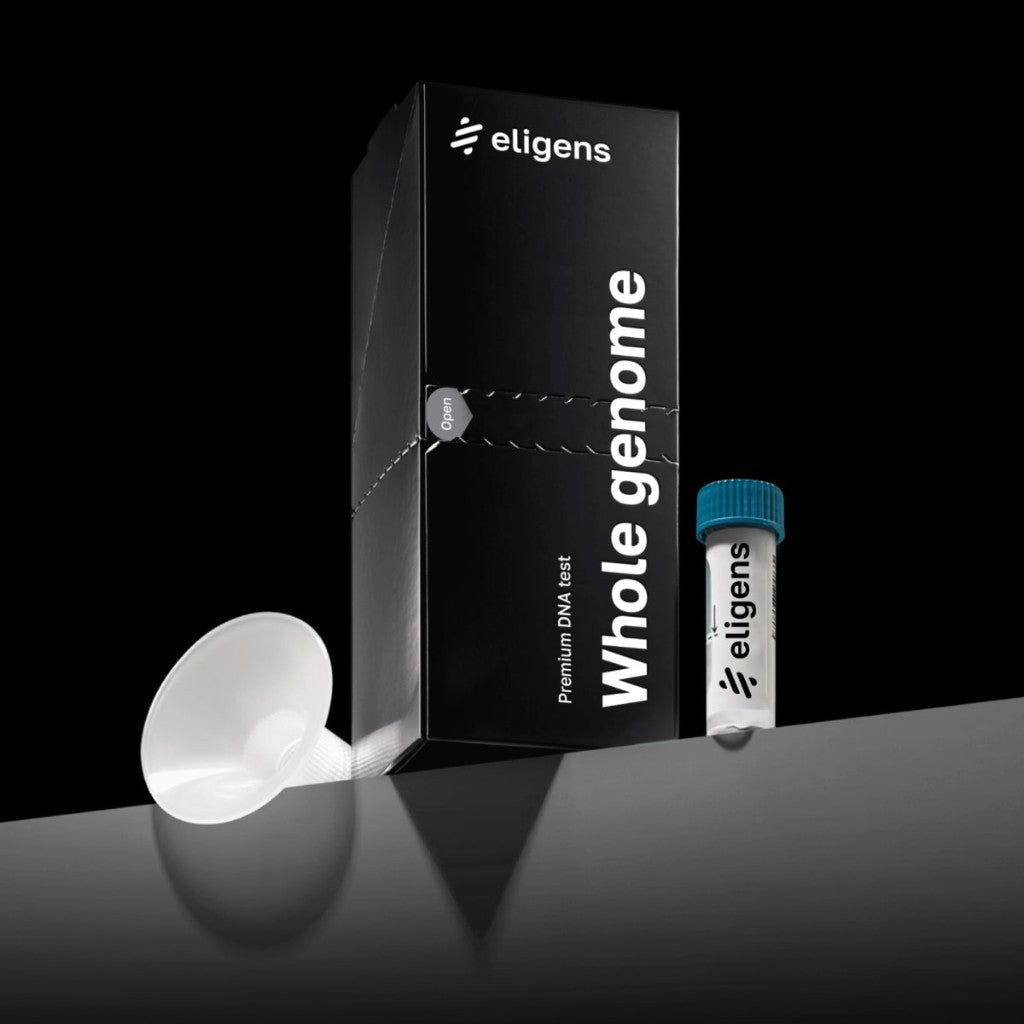
Eligens Whole Genome occupies the sequencing category: it uses Illumina NovaSeq and provides downloadable FASTQ, BAM and VCF files. Those formats are claimed only for Eligens Whole Genome, not for 23andMe or other competitors. Review the category comparison, then verify Eligens delivery options and final Mexico total at checkout.
Decide without forcing a winner
Return to your product identity cards and exclude any option with an unacceptable unknown, privacy term or logistics gap. Among the remaining choices, favor the one that answers the intended question with understandable limitations and a confirmed total. That conclusion may differ between ancestry, health information and reusable sequencing, which is why no brand is the universal winner.