Ancestrum DNA Test in Spain: What to Compare
An Ancestrum DNA test search may sound ancestry-specific, but a name is not a technical specification. Before buying from Spain, identify the exact Ancestrum product and verify its current purpose, method, included reports, privacy terms, delivery route and final cost with the provider. This protects you from comparing assumptions about the brand with documented facts about another kit.
Pass the category test first
Ask Ancestrum to classify the live offer in plain language. Is it intended for ancestry, informational health, lifestyle interpretation, relative matching, genomic data reuse or a combination? Which parts are included in the displayed price? Product categories overlap in marketing, so retain the provider’s wording and the date rather than assigning features from the brand name.
Next, write your own category in one sentence. “I want geographic ancestry context” produces a different shortlist from “I want data I can retain for later analysis.” If an offer cannot clearly serve the primary category, additional reports should not rescue it.
Ask a sample report to prove usefulness
For ancestry content, look for explanations of reference groups, geographic uncertainty and future updates. For matching, determine whether participation is optional and what another user can view. For health or lifestyle content, inspect how evidence and limitations are presented. A report total is not a quality measure because providers can divide the same subject into different numbers of pages.
Do not assume Ancestrum provides any one of these report types. The purpose of the sample is to confirm the current offer, not to validate expectations created by the search term.
Put the method on a separate line
Genotyping measures selected positions. A targeted panel examines selected genes or regions. Whole-exome sequencing, or WES, focuses mostly on protein-coding regions. Whole-genome sequencing, or WGS, covers much more of the genome. These are different laboratory strategies, not four labels for the same depth.
Record the method Ancestrum states for the exact product. Then record downloadable results separately. A report that can be saved is not necessarily raw laboratory data, and broad sequencing does not automatically guarantee a particular interpretation. Where documentation is silent, use “not confirmed” and contact the provider.
Test the complete Spanish purchase route
Select Spain in the live basket and document the product price, VAT, delivery, return-sample method, optional add-ons, subscriptions and currency. Check the instructions before ordering: a kit that reaches the address but lacks a practical sample-return route is not a completed service. Ask who covers recollection if the sample cannot be processed.
Current availability, price and logistics must be verified directly with Ancestrum. The company remains a relevant market comparison even if a particular product cannot presently be ordered to Spain, but the comparison should label it as reference-only rather than locally available.
Consider the family privacy radius
DNA can reveal information about relatives as well as the tested person. Read how matching, research participation and marketing are consented to; do not bundle them mentally with the laboratory service. Find the rules for sample retention and destruction, account deletion, third-party processing and international data transfers.
If matching is part of the intended use, consider how unexpected relationships will be handled before opting in. If data will be downloaded, decide how it will be secured after it leaves the provider’s system.
Keep health interpretation outside diagnosis
Any consumer health report is informational and not a medical diagnosis. It cannot confirm disease, predict an individual outcome with certainty or replace clinical testing and professional care. A useful report should make that limitation visible and explain what was and was not analysed. Clinically important results need appropriate professional interpretation and, where relevant, confirmation.
Reduce Spain’s market list in two rounds
The Spanish comparison set includes tellmeGen, 24Genetics, ADNTRO, Made of Genes, Overgenes, MyHeritage DNA, FamilyTreeDNA, Dante Labs and Sequencing.com alongside Ancestrum. Their inclusion does not prove method, price, quality, certification, availability or category. In round one, retain only exact products that serve your stated purpose. In round two, compare documented method, report evidence, privacy and full Spanish cost.
- Reject guesses disguised as feature entries.
- Use the same checkout date and Spanish destination.
- Keep one blank for every question still awaiting a provider answer.
Match Eligens products to the requirement
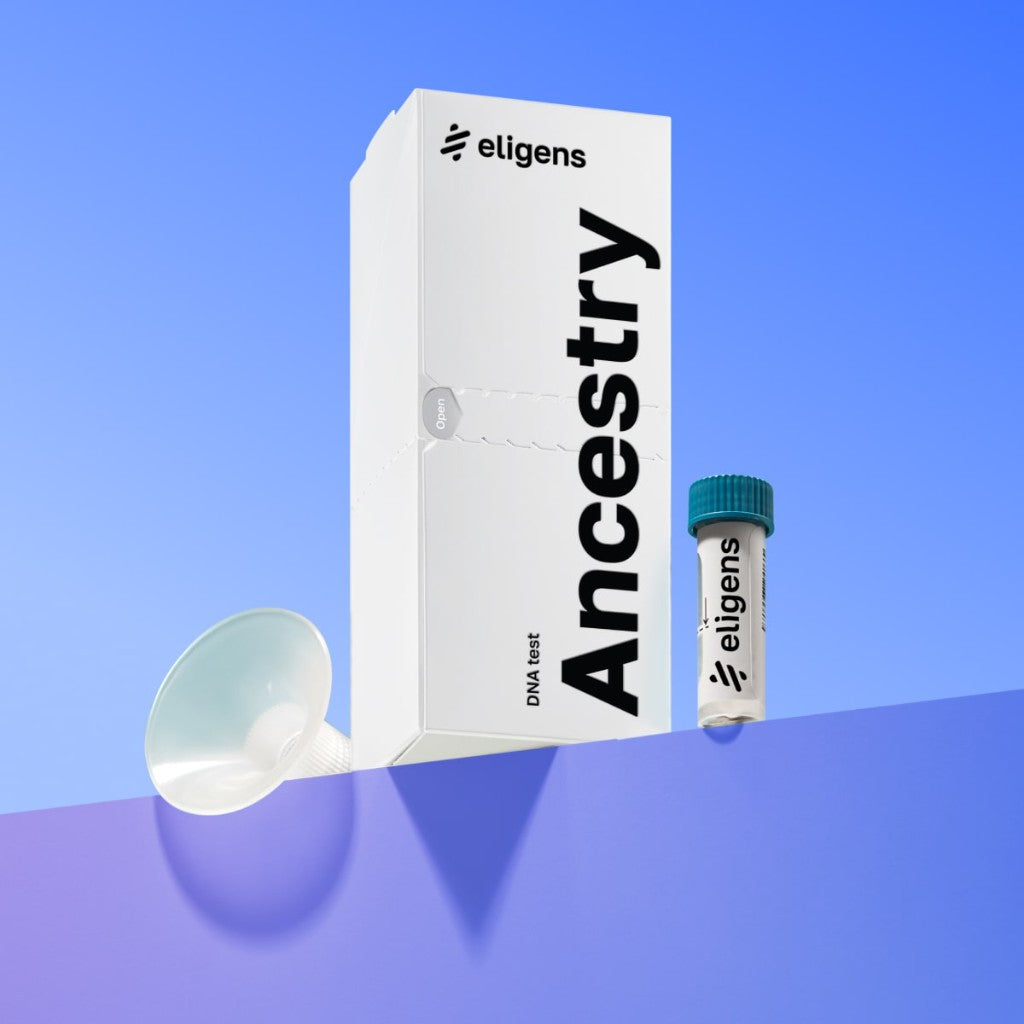
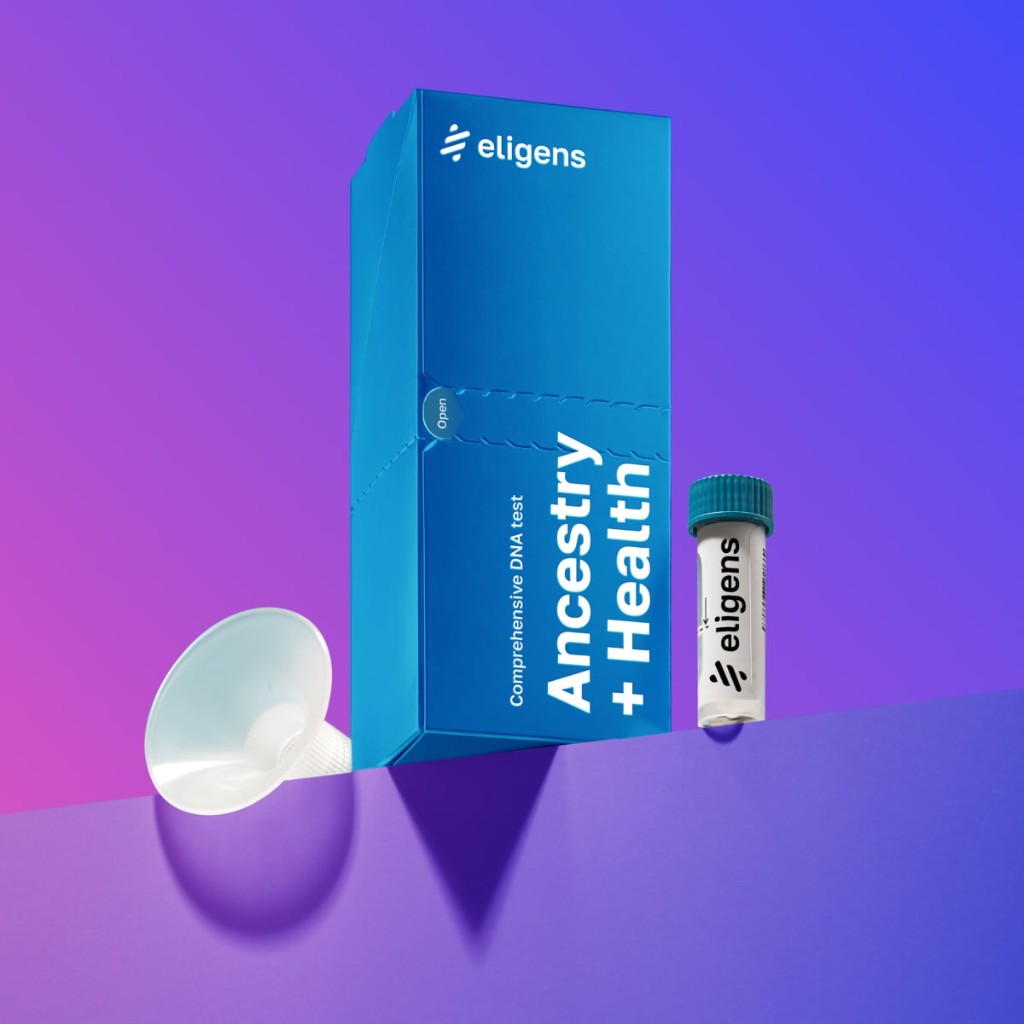
Eligens Ancestry is designed for ancestry estimates across more than 1,000 locations, maternal-line analysis, eligible paternal Y-DNA analysis and optional genetic-relative matching. Eligens Ancestry + Health uses an Illumina Global Screening Array and adds informational insights related to more than 180 conditions plus nutrition, fitness and longevity content.
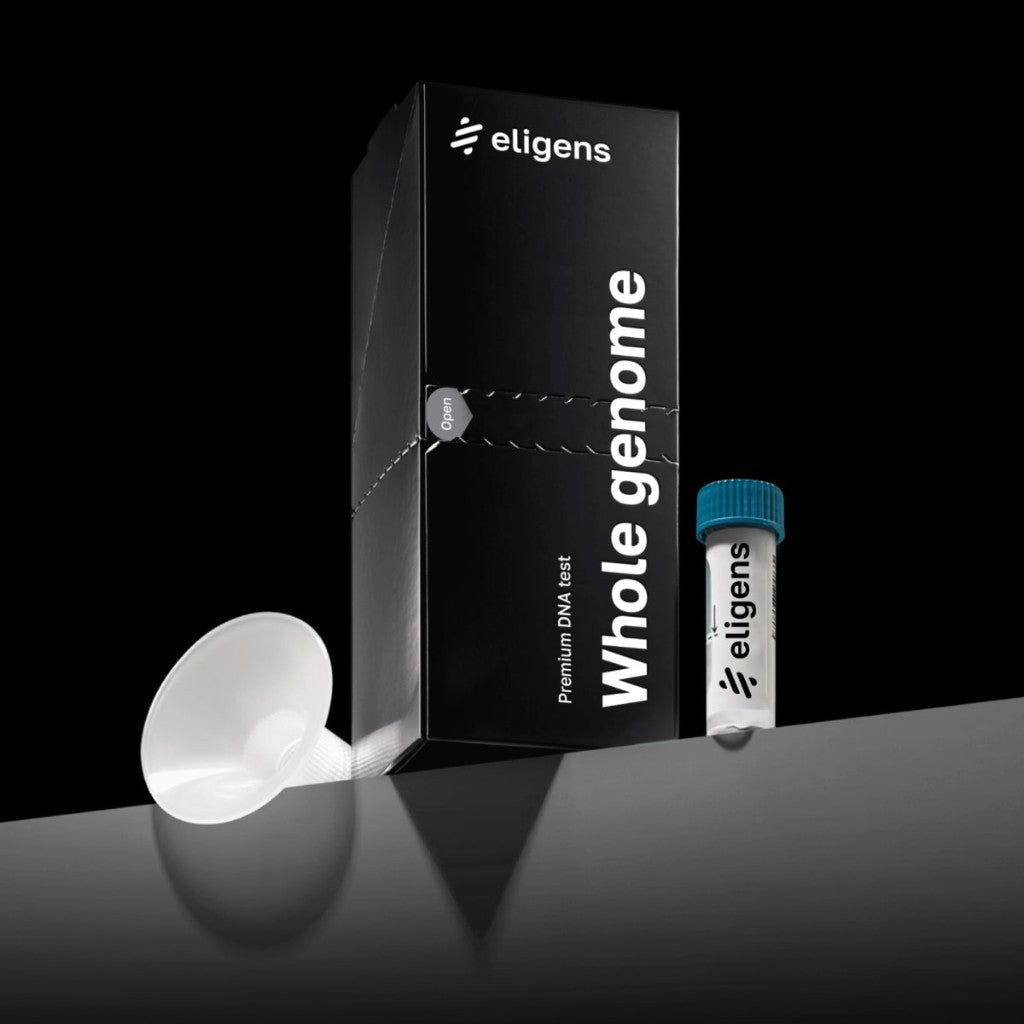
For a sequencing requirement, Eligens Whole Genome uses Illumina NovaSeq and includes downloadable FASTQ, BAM and VCF files. Those file claims are specific to Eligens Whole Genome and should not be transferred to Ancestrum or another provider. Eligens shows delivery options and the final total at checkout.
Approve the purchase with a short memo
- Name the exact result you intend to use.
- Cite the product page that confirms scope and method.
- List the optional consents you accept or decline.
- State the delivered Spanish total and sample-return plan.
- Explain why this product fits better than the remaining candidates.
If that memo relies on the company name rather than evidence, continue researching. There is no universal winner. Use the Eligens comparison page for one side of the decision and current Ancestrum materials for the other.