AncestryDNA Test in United Kingdom: What to Compare
When UK shoppers ask about the cost of an AncestryDNA test, the useful answer is not a sale price copied from a search result. It is the current total for the exact kit, the reports and access needed, the sample return and any continuing charges. AncestryDNA is the searched brand, but its name alone does not verify a feature, laboratory method, discount or current availability.
Decide what a discount would need to buy
Write the intended outcome before looking for a code: an ethnic-origin estimate, an answer about a maternal or paternal line, optional relative discovery, informational health content, or reusable genomic data. If the discounted product does not produce that outcome, the saving has no practical value.
Separate essentials from attractive extras. A buyer who wants a one-time ancestry report should assess ongoing costs differently from someone planning a long family-history project. Do not let a countdown or crossed-out price redefine the requirement.
Calculate the UK ownership cost
Record the amount charged for the selected kit, delivery, sample return, taxes or fees shown at checkout, optional memberships, report upgrades and replacement-sample terms. Check when any trial ends and what access changes after cancellation. Confirm every current AncestryDNA amount directly rather than relying on an old promotion.
Price the same outcome across candidates. One bundle may include access that another sells separately, while a higher-priced product may include data you do not need. A simple total over the period you expect to use the service is more informative than percentage-off advertising.
Verify the laboratory method behind the brand
Genotyping reads selected positions across the genome. Targeted panels analyse defined genes or regions. Whole-exome sequencing, or WES, mainly covers protein-coding regions. Whole-genome sequencing, or WGS, covers far more. These technologies are distinct and should not be blurred into a generic “DNA test.”
Ask which method the exact AncestryDNA product uses and what output it supports. A downloadable genotype file is not the same as sequence-level data. Never attribute FASTQ, BAM or VCF access to AncestryDNA or another competitor without explicit documentation for that product.
Inspect ancestry interpretation before purchasing
Use a current sample report to judge regional detail, confidence language, reference-population explanations and how updates are handled. Consider whether the report addresses the geography and time depth in your family-history question. A larger list of regions does not guarantee a more useful answer.
If relative matching matters, verify whether it is included, optional and available for the exact kit. Review visibility, communication, blocking and opt-out controls. Matching is a social service built around genetic data, not simply another laboratory measurement.
Know what remains after a membership ends
Ask which reports, records, family tools and downloads remain accessible without a recurring payment. Check whether updates continue and whether data can be exported before closing an account. These details can materially change the long-term value of an initial discount.
Health-related results need a firm boundary regardless of access model. Consumer health reports are informational and not a medical diagnosis. They cannot alone confirm disease, change medication or replace professional assessment and clinically appropriate testing.
Read the privacy settings as carefully as the price
Review research consent, relative matching, sample storage, sample destruction, laboratory processors, data transfers and account deletion. Find out which uses are required to deliver the service and which can be declined. Ask what derived information is retained after deletion.
Discuss the possibility of unexpected family connections before inviting relatives. Protect account access and any downloaded file. An inexpensive kit can carry long-lived privacy consequences, so consent quality belongs in the value calculation.
Check the UK field without assuming equivalence
The portfolio names Living DNA, Muhdo, Rightangled, CircaGene, AncestryDNA, MyHeritage DNA, FamilyTreeDNA, Dante Labs, Sequencing.com and 23andMe. This is a comparison set, not proof that all sell the same type of test or currently serve every UK address.
- Confirm the exact category, method and report bundle.
- Request data formats and access duration in writing.
- Compare consent, retention and deletion controls.
- Verify UK delivery, return and final checkout conditions directly.
Place Eligens against the same brief
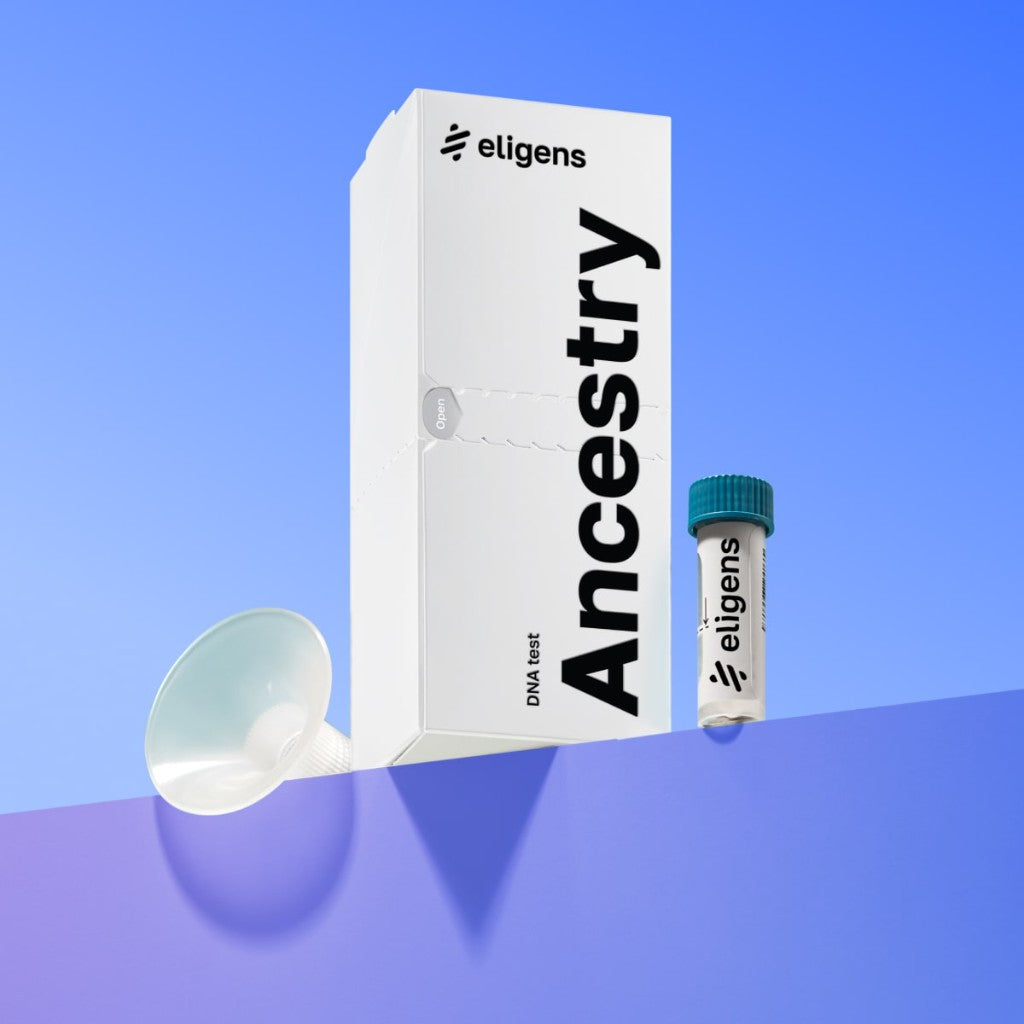
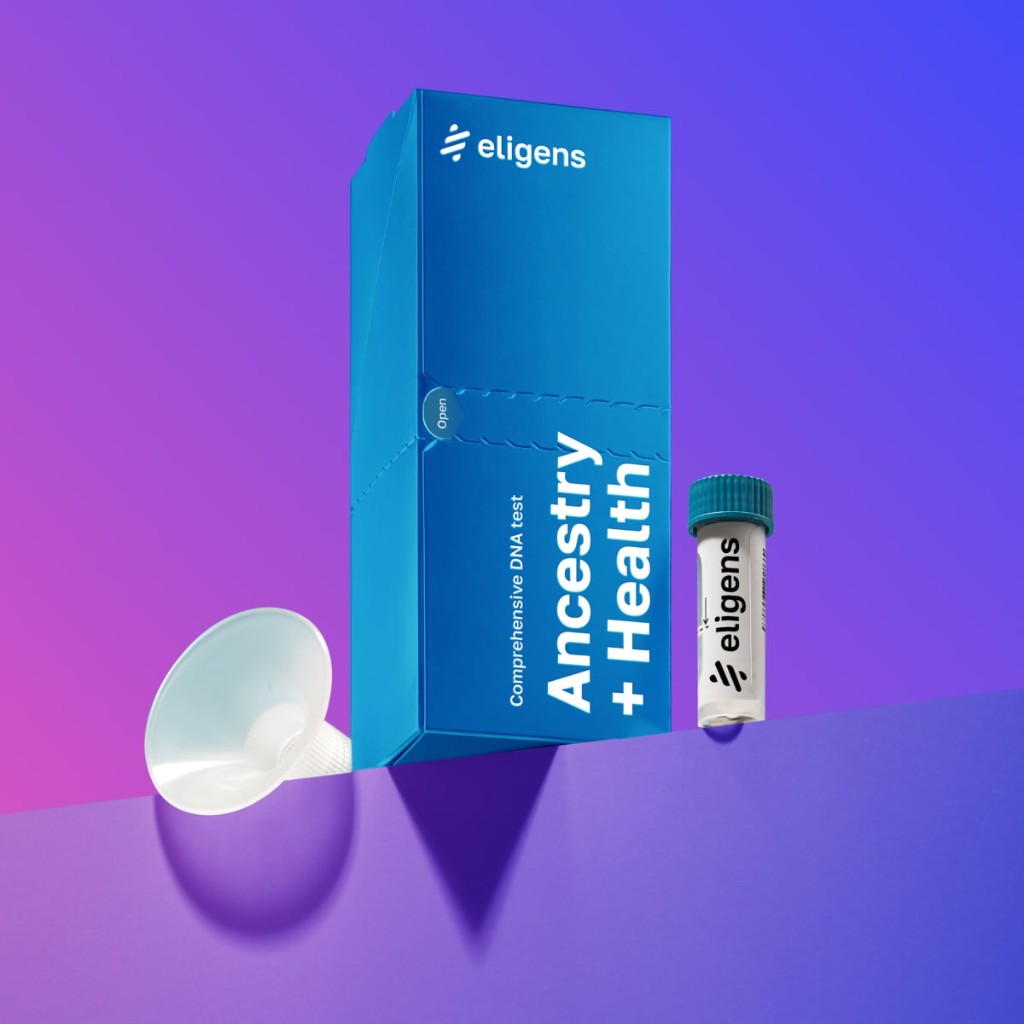
Eligens Ancestry includes ethnic-origin estimates across more than 1,000 locations, maternal-line analysis, eligible paternal Y-DNA analysis and optional relative matching. Eligens Ancestry + Health adds informational insights related to more than 180 conditions and nutrition, fitness and longevity content.
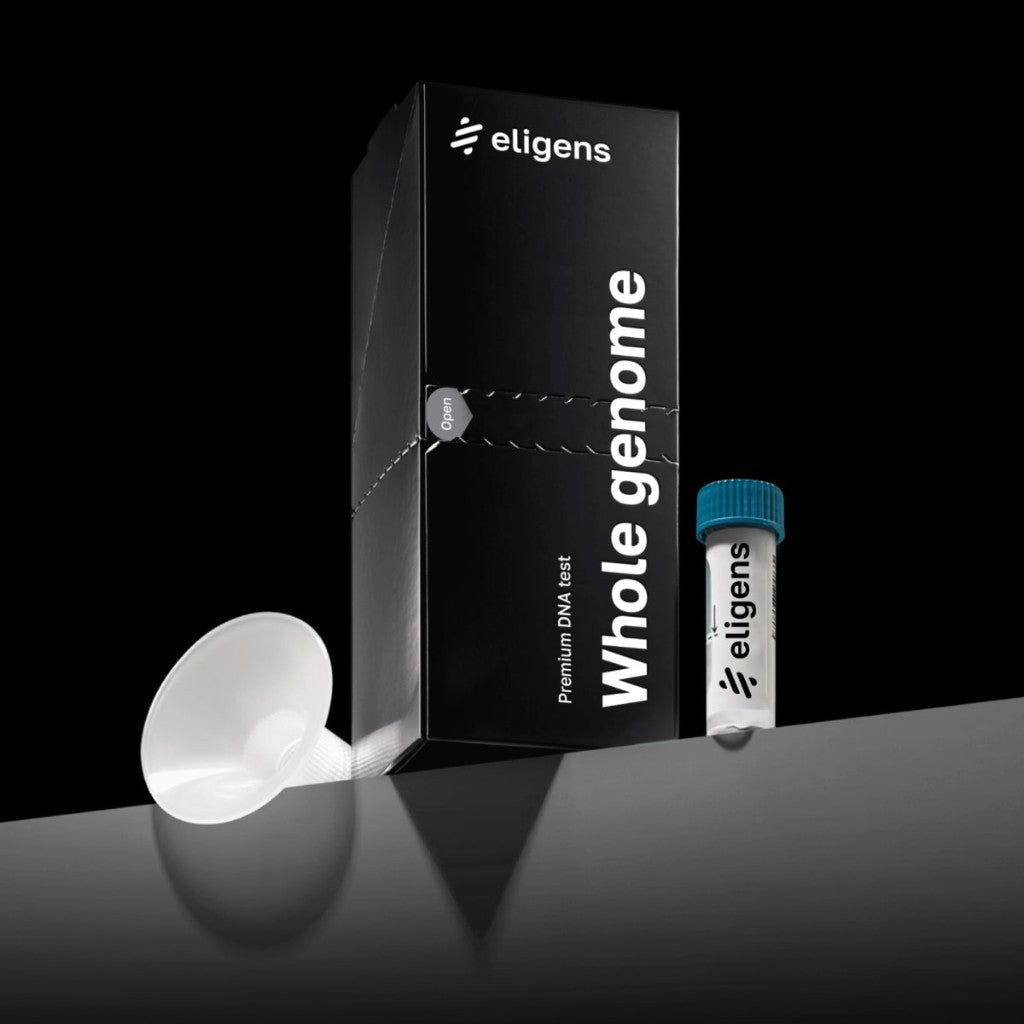
Buyers specifically requiring sequencing can consider Eligens Whole Genome, which uses Illumina NovaSeq and provides downloadable FASTQ, BAM and VCF files. Those formats apply only to that Eligens product. Delivery options and the final total appear at checkout.
Choose on fit after the promotion is removed
- Compare exact current products, not brands in general.
- Use the cost of the required output over your expected use period.
- Reject undocumented method or data claims.
- Require acceptable matching and privacy controls.
- Recheck all prices, discounts and logistics before paying.
There is no universal winner: a family matcher, a report reader and a sequencing buyer need different things. The Eligens comparison page helps define the Eligens choices while the AncestryDNA supplier should confirm its current UK offer.