Iron Deficiency Anemia: Genetic Factors and DNA Insights
Iron deficiency anemia is generally an acquired state, not a condition inherited in a simple way. It develops when available iron is insufficient to support normal red-blood-cell production. Inherited biology can influence iron handling, blood loss, or conditions that resemble anemia, but genes alone cannot show whether someone is iron deficient. A careful view of iron deficiency anemia genetics starts by separating predisposition from the measurable shortage of iron and from its underlying cause.
Iron deficiency and anemia are related but distinct
Iron deficiency means the body has inadequate iron stores or availability. Anemia means the blood has reduced oxygen-carrying capacity because there are too few effective red blood cells or too little hemoglobin. Iron deficiency can exist before anemia appears, and anemia can arise for many reasons other than iron deficiency. That is why symptoms such as fatigue, breathlessness, weakness, or poor concentration cannot identify the cause on their own.
The distinction prevents a common genetic misunderstanding. An inherited red-blood-cell trait may produce laboratory patterns that overlap with iron deficiency without representing low iron. Conversely, a person with no notable genetic predisposition can become iron deficient through sustained loss, increased need, limited intake, or impaired absorption.
Where inherited biology may enter the picture
Genes help regulate intestinal absorption, transport, storage, recycling, and use of iron. Rare inherited disorders can disrupt parts of those systems, while more common genetic differences may have subtler effects. Inherited conditions can also influence bleeding or red-blood-cell characteristics. These possibilities are clinically important in selected cases, but they do not make ordinary iron deficiency anemia a single-gene disorder.
Genetic risk is therefore indirect in many people. A variant might alter one part of iron biology, yet the outcome still depends on diet, physiological demand, blood loss, inflammation, gastrointestinal health, and other factors. A population association cannot determine whether an individual currently lacks iron.
How to read a family history of anemia
“Anemia runs in my family” is useful only after clarifying what relatives actually had. Ask whether iron deficiency was demonstrated, whether the anemia persisted despite restored iron, whether there was a known source of blood loss, and whether an inherited blood condition was diagnosed. The age and circumstances at diagnosis can help a clinician decide which explanations deserve attention.
Families may also share dietary patterns, access to care, menstrual experiences, gastrointestinal illness, or donation habits. These can produce repeated iron deficiency without genetic transmission. A family pattern should prompt better classification, not the assumption that every low blood count has the same inherited cause.
Polygenic susceptibility is not a diagnosis
Iron-related traits can be polygenic, meaning many inherited differences contribute small effects rather than one variant deciding the outcome. The combination inherited by a child will differ from the combinations in either parent or in siblings. This architecture can shift a baseline laboratory trait while leaving wide overlap between people with different genetic profiles.
Polygenic estimates also depend on the population and measurements used to build them. They may not transfer equally across ancestries, ages, or physiological settings. Even a well-calibrated estimate would describe probability, not iron stores today, and cannot establish why iron is low.
Non-genetic causes remain central
Iron balance changes when losses or needs exceed intake and absorption. Sources of blood loss, menstrual or gastrointestinal losses, pregnancy and growth, limited dietary iron, and disorders affecting the digestive tract can all matter. Inflammation may also change how the body handles iron and how laboratory markers should be interpreted. These mechanisms require different clinical questions even when the final blood count looks similar.
Self-labeling the problem as dietary can miss ongoing blood loss or another condition; assuming it is inherited can do the same. The useful question is not simply “Do I have genetic risk?” but “Do clinical tests show iron deficiency, and what explains it in this person?”
What clinical testing contributes
Clinical evaluation combines a blood count with iron-related laboratory markers and the medical context. The pattern can help distinguish iron deficiency from other forms of anemia, while history and further assessment investigate why the deficiency developed. Results can be affected by inflammation, recent illness, and other physiological factors, so isolated numbers need interpretation.
A consumer DNA test is not a medical diagnosis and does not replace clinical evaluation. It cannot measure hemoglobin or current iron stores, identify active bleeding, assess absorption, or determine whether symptoms are caused by anemia. A genetic report and a blood test answer fundamentally different questions.
Using DNA information without overreading it
If consumer results mention iron or blood traits, first check what was actually analyzed. A report may cover a limited set of variants, a general trait, or a population association rather than the causes relevant to one person. Negative consumer results do not rule out inherited disorders, and a positive association does not confirm iron deficiency. The guide to informational health insights explains why scope matters.
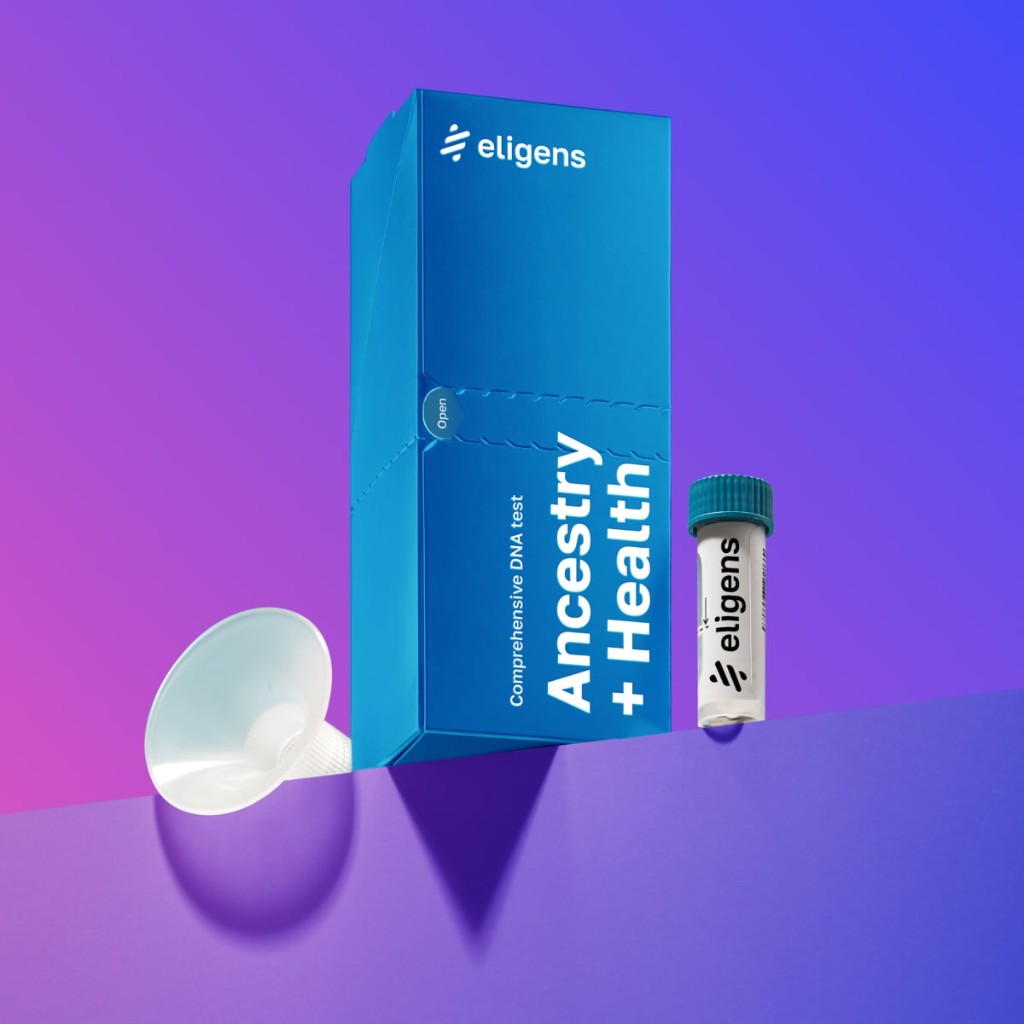
Eligens Ancestry + Health provides informational genetic insights related to 180+ conditions. Those insights are background information, not a blood test or an explanation for anemia. Check the current product description to confirm the actual report coverage before purchasing, and rely on clinical assessment when iron deficiency or anemia is a concern.